Being duped isn’t the problem, being forgettable is.
Part 1 of 3 | Adding substance to Health, Beauty and Wellness brands
Welcome to the first of our Health, Beauty and Wellness series which explores what it takes to build a brand people choose, as the boundaries between looking good, feeling good and living well blur.
Across three blogs, we look at why distinctiveness matters more than price in a world of dupes, how brands can give shoppers a reason to want them beyond an AI recommendation, and why wellness calls for a social strategy built on lasting habits, not passing trends.
Who should really worry about beauty dupes?
A shopper stands in the aisle with two serums in hand. One is a £5 dupe that TikTok swears is “basically the same.” The other is the £80 original they’ve wanted for months. Your £30 bottle sits on the shelf between them. Will they even consider it?
The brands under real pressure aren’t the ones being duped. They’re the forgettable ones in the middle: not distinctive enough to be copied, and not cheap enough to be the alternative.
That’s because dupes (cheaper lookalikes of well-known products) only sell when there’s a recognisable original to copy. They’re now a normal part of how people shop, and with some of the most-copied brands still growing, being imitated isn’t the threat it first appears to be.
Whichever side of the shelf you’re on, the answer is the same. For beauty brands, it’s to become more distinctive rather than cheaper. For retailers, it’s to build own-brands that shoppers pick because they want them, not just on price. It all comes down to positioning.
Do beauty dupes hurt the original brand?
With the cost of living still climbing, buying a dupe is a sensible choice for a lot of people. The obvious fear for the brand being copied is that every dupe sold is a sale it’s lost. It doesn’t quite work like that.
Dupes are marketed mainly online and on social, and they’re named so they show up right next to the product they copy. Search for a “Magic Cream dupe” on Google or TikTok and Charlotte Tilbury’s Magic Cream comes up alongside it. Every video, review and share of the copy keeps the original in the conversation. And plenty of people buying the £5 version were never going to pay £56 anyway.
But so far, the rise of dupes hasn’t stopped premium beauty growing. In the US, premium beauty still grew 4% in 2025 (close behind mass-market at 5%). Even in fragrance, where dupes are everywhere, mass-market sales jumped 15% and prestige still grew 5% (Circana).
That’s why the most-copied brands aren’t the ones struggling.
Charlotte Tilbury’s Magic Cream was the UK’s most searched-for beauty dupe in 2025. Rather than competing with cheaper alternatives on price, the brand leaned into what made its products worth copying in the first place.
Its 2025 campaign, ‘Legendary. For a Reason’, put its most-copied products front and centre, positioning them as originals with a story, expertise and reputation that cheaper lookalikes couldn’t replicate. It was a smart response to the rise of dupes. Rather than focusing on what competitors were copying, Charlotte Tilbury reminded shoppers why the originals had become desirable in the first place.
For marketers, the lesson is simple: when competitors can imitate your product, it’s the strength of your brand that gives shoppers a reason to choose you.
If you’re a mid-range brand: being forgettable is the problem
Industry commentators call beauty a K-shaped market, with premium and mass-market growing and the mid-tier squeezed. When retailers need to free up shelf space or protect their margins, mid-range brands are usually first in line: pushed into promotions, dropped from the range or replaced with the retailer’s own version.
If you’re charging more, you need a clear point of difference. Your pricing reason might be a signature product, a point of view or a community that’s yours alone. In wellness, it’s often trust: knowing who’s behind something you use every day. What matters is that it’s specific, and that a copy can’t claim it.
The quick-fix is to run a ‘sale’ but every discount narrows the price gap you’re trying to justify, and teaches shoppers to wait for the next one. If you’re a mid-range brand, our view is simple: don’t get cheaper, get more distinctive, so people know exactly what they’d be giving up if they swapped you for the £5 version.
Being distinctive isn’t a tagline. It has to show up everywhere a shopper meets you: on pack, in search, on social and in store. That’s exactly where dupes compete with you, so that’s where the difference has to be obvious.
The swap test
The quickest way to check how distinctive your brand is: imagine a shopper swaps you for the £5 version. Would they notice?
- Is your best-seller recognisably yours?
- Do shoppers see you as the original, or as one option among many?
- Can you say in one sentence why you’re worth more?
If you’re a retailer: give shoppers a reason to choose your own-brand
Dupes are a very good way to get shoppers through the door, and most retailers now sell them openly. The trouble is that an own-brand that only copies will only ever be the cheaper option, and a shopper who picks it on price will leave the moment something cheaper turns up.
The answer is the same as it is for brands: be distinctive and innovative. Give your own-brand its own identity, marketing and investment, so people choose it on its merits, not just on price.
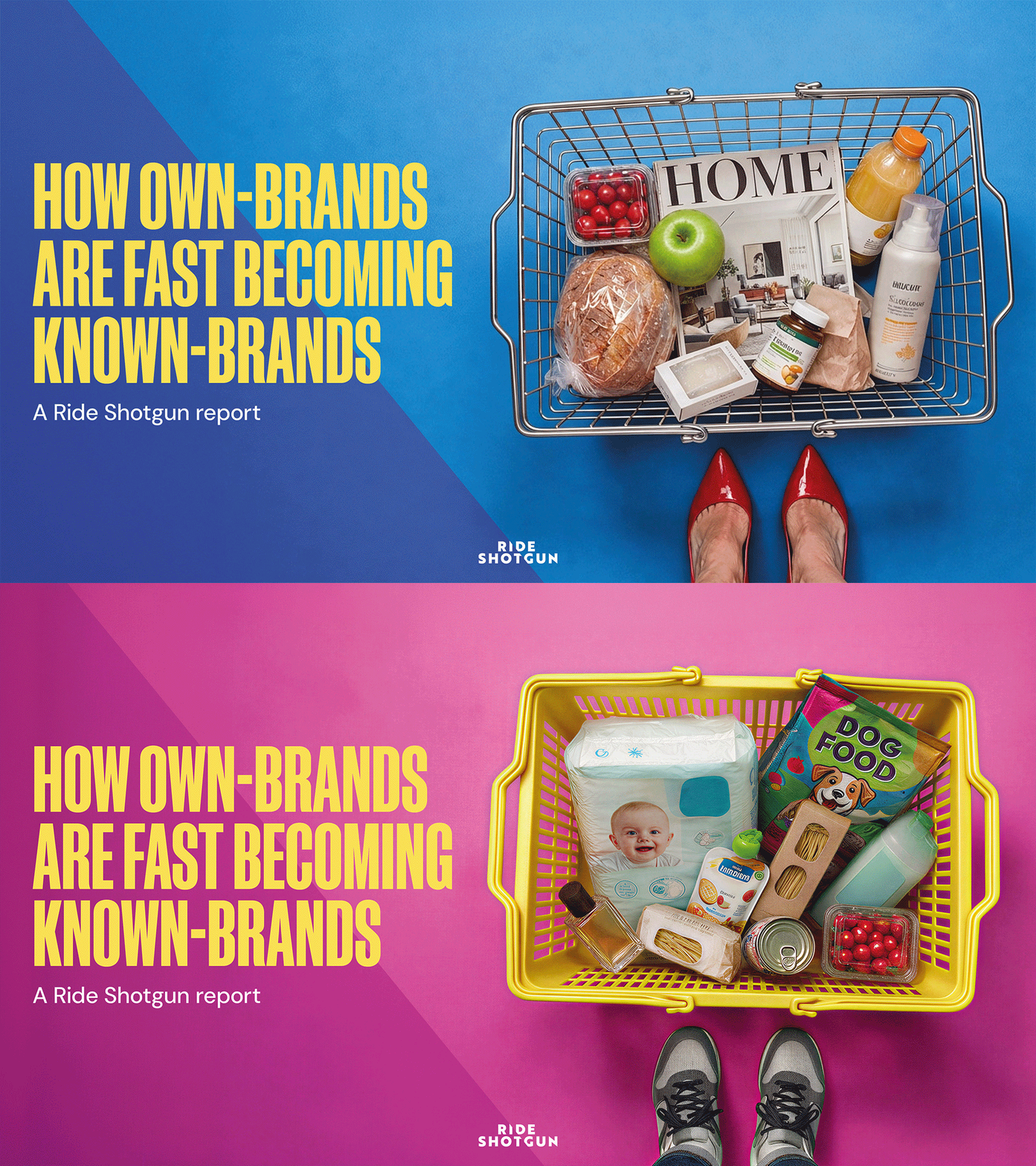
For retailers, this is the beauty end of a much bigger story. Our Retail Report, ‘How own-brands are fast becoming known-brands’, goes further. It makes the case for giving own-brands the same investment as master brands, with our own research into what shoppers really think, a category-by-category look at where own-brands are winning, beauty and wellness included, and practical steps for marketers.
Three brands that are unmistakably themselves
Relishing the ritual
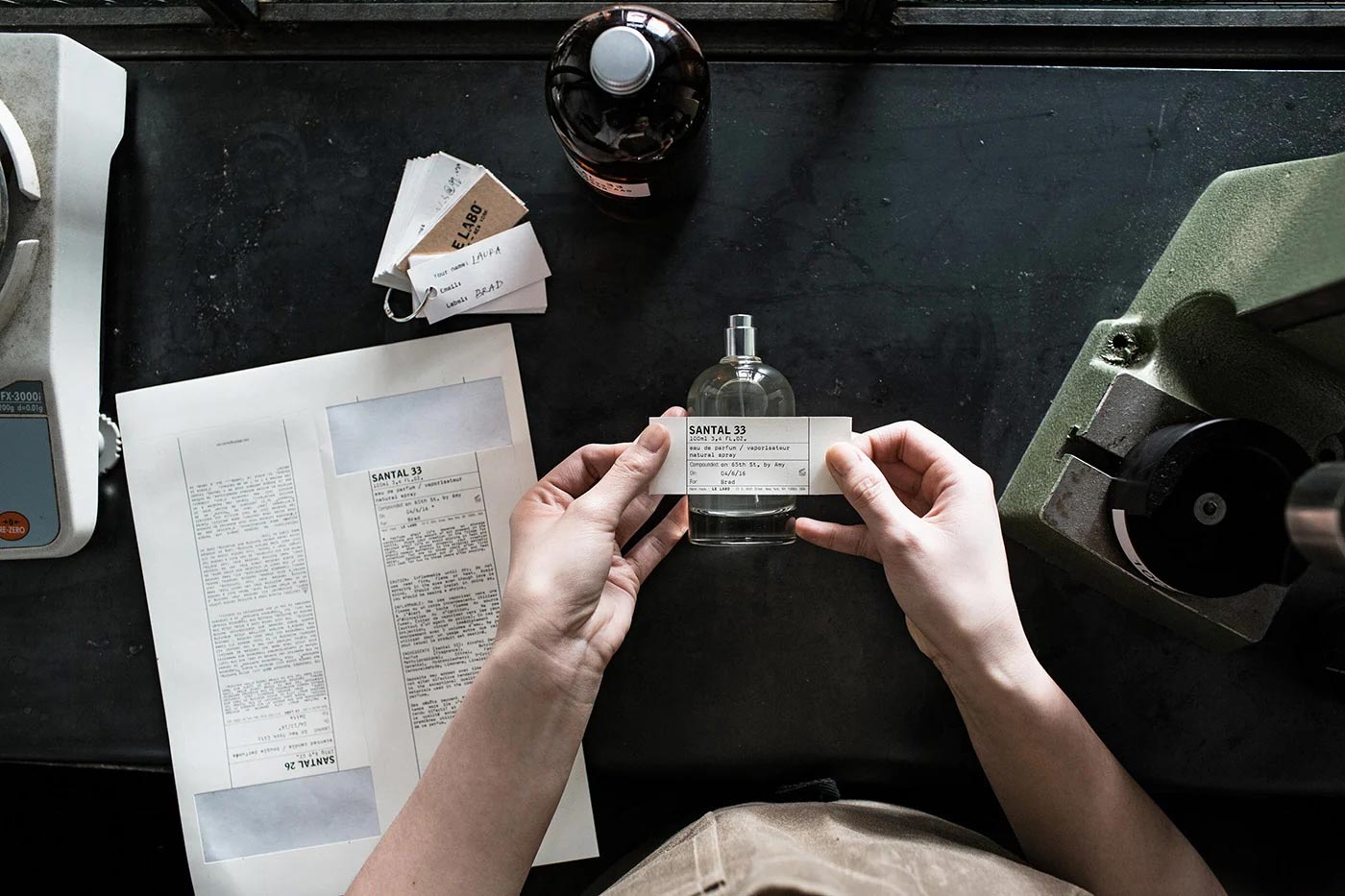
Le Labo positions itself as slow, luxury artisanal perfumery, and its USP is the ritual: every bottle is blended and labelled in front of you. Holding on to that ritual as the brand has grown is a deliberate strategic choice, and it means a copy can match the scent but never the reason people buy it.
Image: Le Labo
Dedicated to discipline
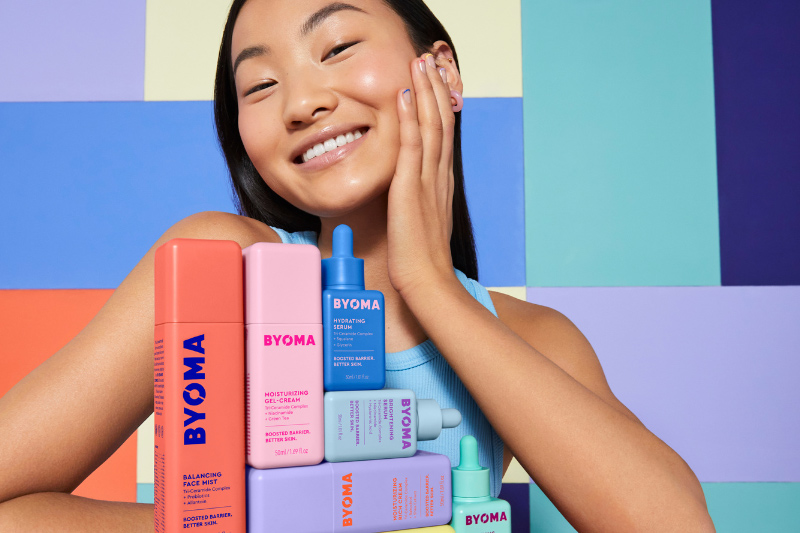
Byoma is barrier-first skincare at a mid-range price, and its brand strategy is discipline: everything it launches comes back to the skin barrier. A brand that stands for one clear thing is easy to explain, easy to remember and hard to confuse with anyone else.
Image: Byoma
Geared-up for Gen Z
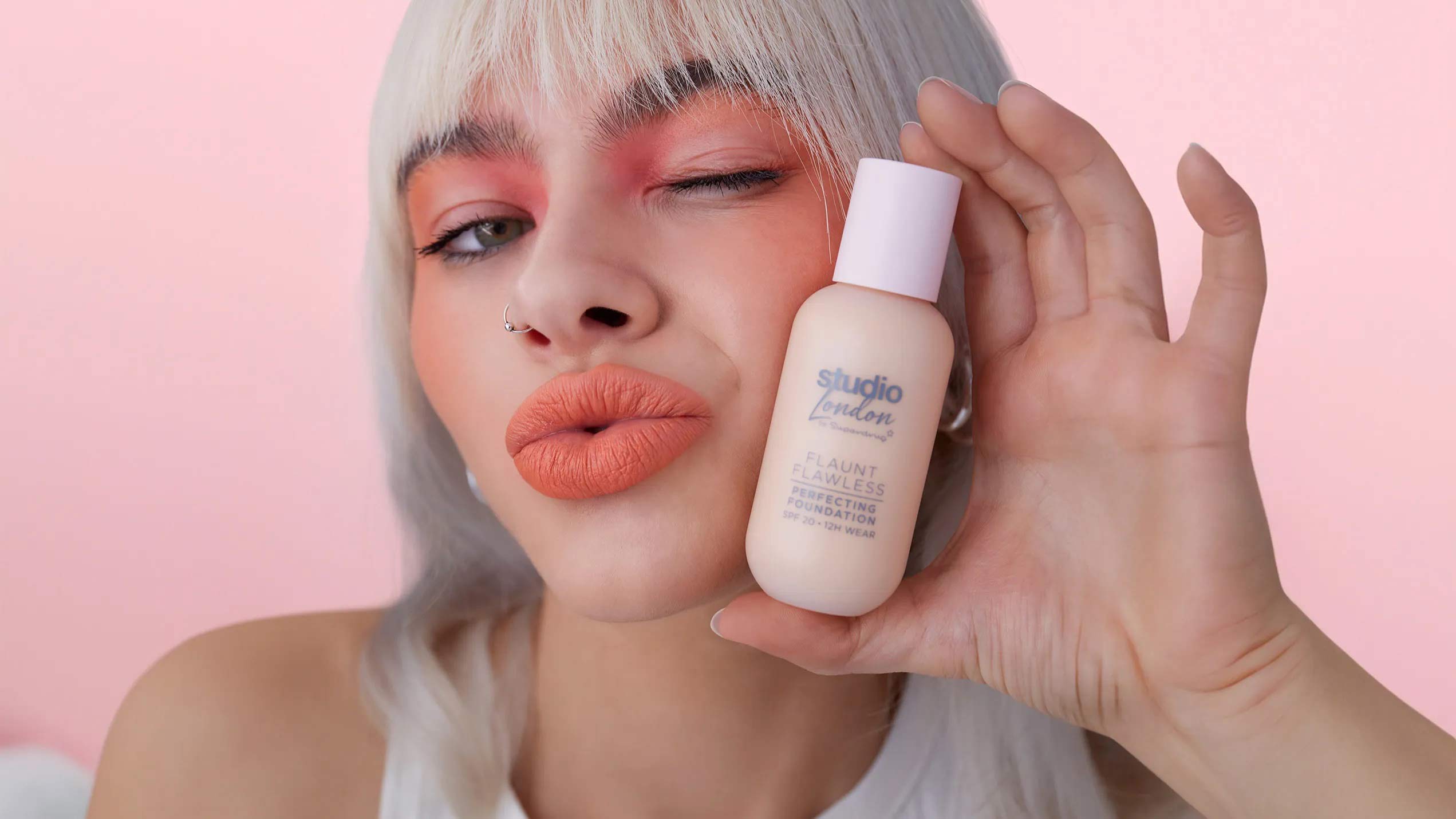
Superdrug gave its own-brand make-up range an identity of its own, Studio London, with a look and voice aimed squarely at Gen Z, and treated it as a brand with its own strategy rather than a cheaper alternative.
Image: Superdrug
Know what your brand’s worth, and show it
Copied or copying, the question is the same: why would someone choose you over the cheaper option? That’s a positioning question.
When a cheaper version is a click away, you need a clear reason to pay more, and every touchpoint has to show it. That’s where Ride Shotgun’s strategists come in. We work out what your brand can own that no one else can, turn it into a position your team can use, and make sure everything you put out backs it up. That’s how we helped Holland & Barrett reclaim its place in wellness, and Panache Lingerie sharpen its brand strategy.
And because strategy, creative and production sit under one roof, it all works as one brand journey.
Next in the series: AI search can recommend your product, but can it make people want your brand?
Talk to us about your positioning
Want a brand strategy that sticks in shoppers’ minds, not just their baskets?