Your most viral post might be your worst marketing asset
The share count gets the glory. The save button gets the results.
By Megan Clarke, Social Media Strategist at Ride Shotgun
After more than eight years working in social media, there’s one thing I’ve become increasingly sceptical of: the assumption that the content generating the biggest numbers is automatically the most valuable.
Views, reach and engagement are useful indicators. They tell us whether content captured attention. What they don’t always tell us is whether it actually influenced behaviour.
And in food and drink marketing, that gap is getting harder to ignore.
Food and drink discovery has changed. Here’s what that means for your brand
Consumers don’t discover products in the same way they did even a few years ago.
Nearly half of consumers now use TikTok as a search engine, actively looking for recipes, reviews and recommendations before making any decisions (Adobe, 2025). Traditional advertising, retailer websites and in-store promotions still have a role, but for a growing number of shoppers, they’re no longer the starting point.
The path to purchase is messier than most reporting decks allow for. And most social strategies are still built for a funnel that no longer exists.
In reality, it looks more like this:
- A creator introduces a product
- A consumer searches for reviews
- Comments provide reassurance
- The product lands on a shopping list days later.
By the time someone reaches a supermarket shelf, much of the decision has already been made, just not anywhere most brands are measuring.
The rise of the food finder
One of the best examples of this shift is the rise of food discovery creators. Accounts such as @newfoodsuk and @newfoodspotteruk have built substantial audiences around a simple proposition: finding new products and sharing honest opinions.
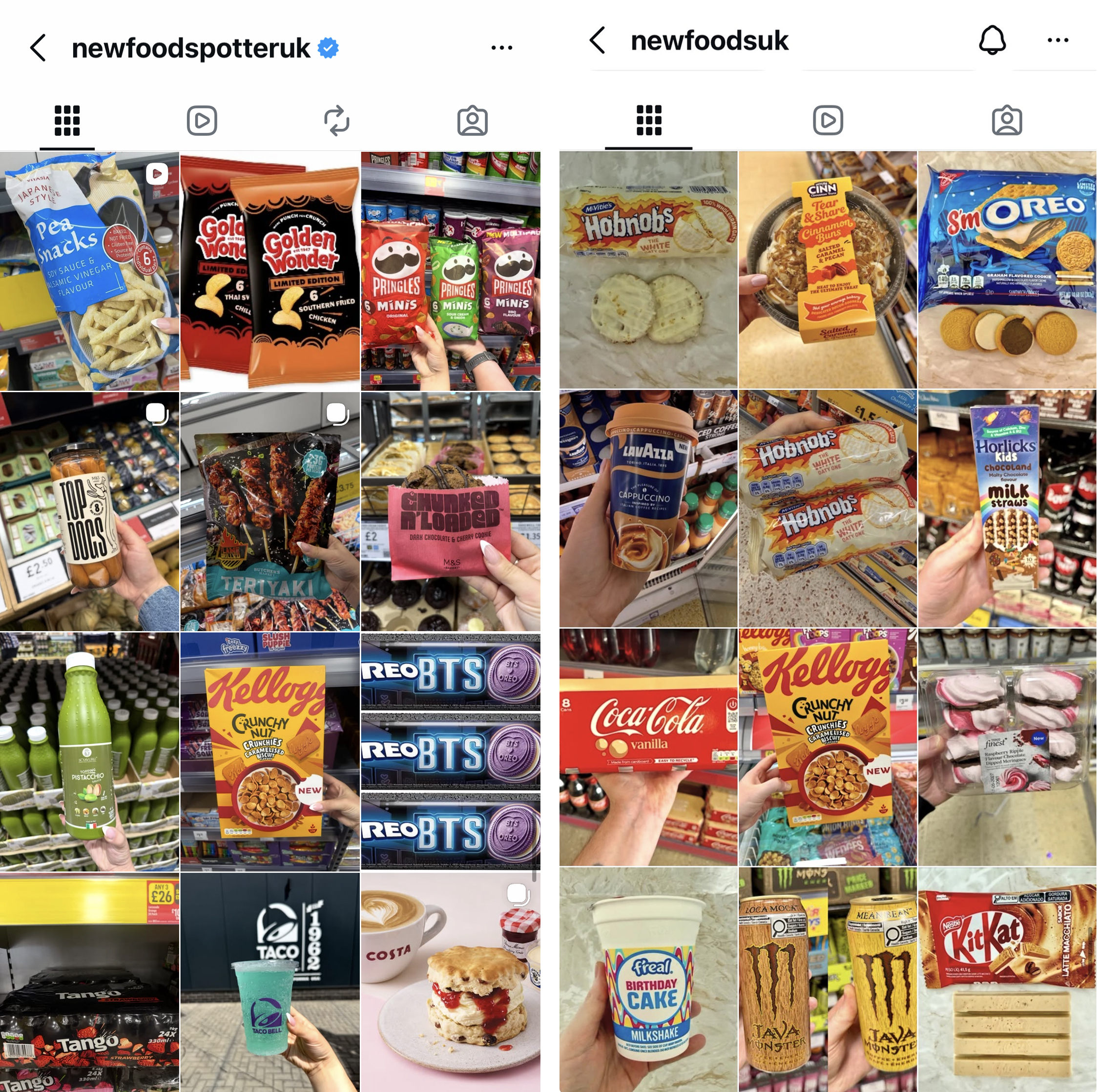
Images via @newfoodsuk and @newfoodspotteruk.
The content itself is often straightforward. A product, a recommendation and a clear verdict.
Yet it works because it answers the question consumers are already asking: “Is this worth buying?”
If creator content is outperforming your brand content on the same platform, it’s worth asking why. Usually the answer isn’t budget. It’s intent.
A like isn’t the same as a save
A beautifully produced recipe video might generate hundreds of thousands of views. A practical baking tip might generate far fewer.
On the surface, the recipe video looks like the stronger performer. But if the baking tip generates significantly more saves, shares and repeat engagement, the picture changes completely.
A view tells us somebody watched. A save suggests somebody intends to return.
Those are very different behaviours, but we routinely group them together under ‘engagement’ and move on. They don’t just represent different levels of intent. They can represent completely different outcomes for your brand.
What good food and drink marketing actually looks like
Highly visual content drives strong reach and introduces new audiences. A stylised cocktail pour might rack up 500,000 views. But a video answering “How do I make a good whisky sour at home?” will generate saves, search traffic and repeat views.
Whisky sour tutorial produced by Ride Shotgun for Diageo.
The visual content captures attention. The useful content drives action.
That’s because most consumers don’t act immediately. They save ideas, revisit content and come back when they’re ready to buy, cook or try something new.
Many of the behaviours closest to purchase are also the hardest to measure.
- The recipe shared into a family WhatsApp group
- The screenshot saved for a future shopping trip
- The recommendation sent to a friend
- The creator review remembered days later in the supermarket aisle
These moments rarely appear in monthly reports. But they often have more influence on purchasing decisions than any metric that does (Talker Research, 2025).
It’s an approach we’ve applied directly with Silver Spoon building a content strategy that connects creator discovery, useful content and retail media rather than treating each as a separate campaign. A creator sparks interest, useful content answers questions and retail media captures intent.
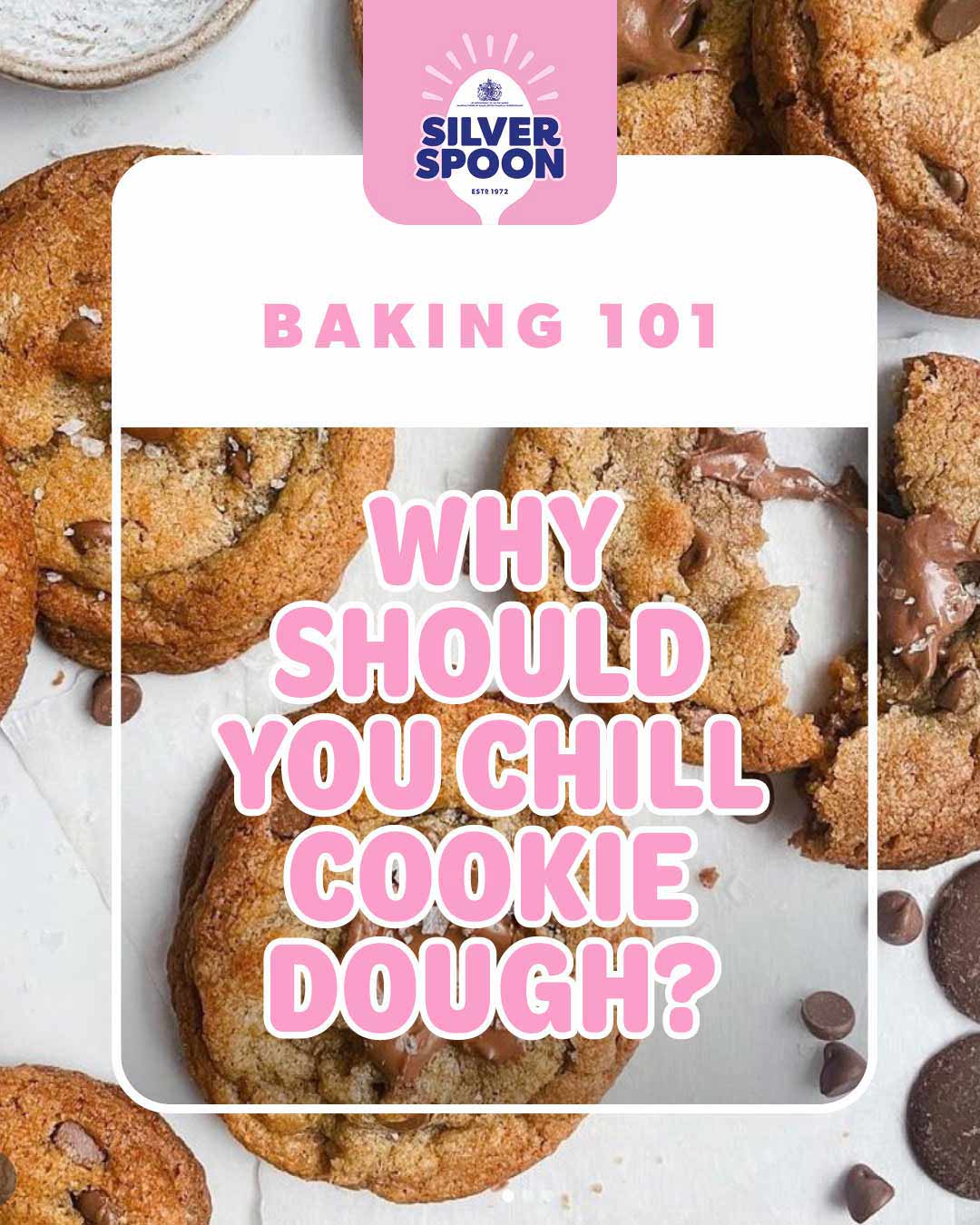

Each touchpoint has a different job. They deliver the strongest results when those jobs are connected, not siloed.
Because your most viral post might be your most visible. But the content driving saves, shares and future purchase decisions is often working much harder behind the scenes.
Want content that does more than perform?
If this sounds familiar, let’s talk.
Megan Clarke is Ride Shotgun’s social media strategist, working with food and drink brands to build content strategies that go beyond reach. She currently leads social for Silver Spoon.